 Custom Motorcycles Baggers, Choppers, Cruisers, Street Bikes, Trikes, Oldskool Or Newskool Motorcycles

View Ducati 749 by Apogee Motorworks: Exposed Italian Sportbike Hardware Photo Gallery
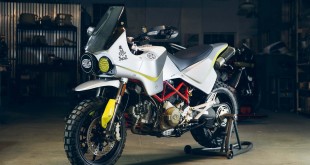
Apogee Motorworks’ Ducati 749 trades the original sportbike’s enclosing bodywork for an exposed, mechanical presentation. Built by Gustavo Penna from a 749 associated with canyon riding and track use, the finished motorcycle places its trellis frame, belt drive and compact Ducati engine at the centre of the design rather than leaving them behind a full fairing.
The frame becomes the bodywork
Removing the standard fairing changes the proportions immediately. A small black front assembly sits above the exposed fork and steering hardware, while the silver fuel tank forms a sharp visual link between the cockpit and the trellis frame. The open layout also makes the belt drives and their red pulley details unusually prominent.
Black, metallic and brushed surfaces dominate the bike, with red used sparingly on the front mudguard, lower fairing pieces and drive hardware. That restraint matters: the colour accents draw attention to functional areas without turning the Ducati into a collection of unrelated details.
A compact tail with a serious visual stance
The rear bodywork has been reduced to a narrow seat and abbreviated tail, leaving the subframe, rear shock and broad rear tyre in clear view. From the rear three-quarter angle, the short tail gives the 749 a tightly packaged appearance, while the low exhaust silencer adds weight beneath the engine instead of extending the bike’s silhouette.
This is not simply a naked conversion. The tank, seat and rear structure read as one deliberately reworked section. According to the supplied build information, Apogee Motorworks redesigned the subframe and fuel tank to provide adjustable positioning for different riders. The original design proposal reportedly included that concept, but it was said not to have reached production before being incorporated into this motorcycle.
Reported 749R hardware
The engine is described in the source material as a 749R replacement, with racing camshafts, titanium valves and valve guides, connecting rods, magnesium head covers, a slipper clutch and carbon-fibre belt covers. These are reported build specifications rather than independently verified figures, but they explain why the powertrain receives so much visual emphasis.
The slipper clutch suits the bike’s stated canyon-and-track brief in principle, while the carbon belt covers keep the normally hidden drive system visible. The result is a powertrain that functions as both a performance focus and a major part of the motorcycle’s appearance.
Exhaust as an engineering feature
A handcrafted titanium exhaust runs low beneath the engine and exits beside the rear wheel. The source material says its development involved computational fluid dynamics and assistance from a friend working at NASA’s Jet Propulsion Laboratory. Its muted finish and sweeping headers give the lower half of the Ducati a dense, purposeful look, balancing the lightness of the tail.
Apogee’s 749 succeeds because the visual changes follow a consistent idea: reduce the bodywork, expose the engineering and make the rider interface part of the redesign. It remains recognisably Ducati, but its frame, belts, suspension and exhaust now carry the story the fairing once concealed.
Source material credited to Gustavo Penna via Steadi Films.
Photo Gallery